Posts about ray-tracing

BCON26: Creating and Working with Large Scenes
BCON26BCON26

After skipping a year for working fully on my PhD, it is once again time for another Blender Conference in Amsterdam! This year, I am holding a talk about how to create and work with large static scenes inside Blender, such as those distributed with the PBRT ray-tracing framework.

If any of this is of interest, feel free to come by the Developer Attic on September at 10:30 or tune in after Friday the 25th on YouTube.

This presentation builds on the work shown at BCON24 that focused on how to create the parsing framework and importer and exporter extensions for the PBRT scene format. While beneficial background for this work, those details are not necessary knowledge for this presentation. However, for those interested in those aspects please have a look at my publications page.
Rendering Small Things: Hardware Micromaps and Particles

Thesis teaser

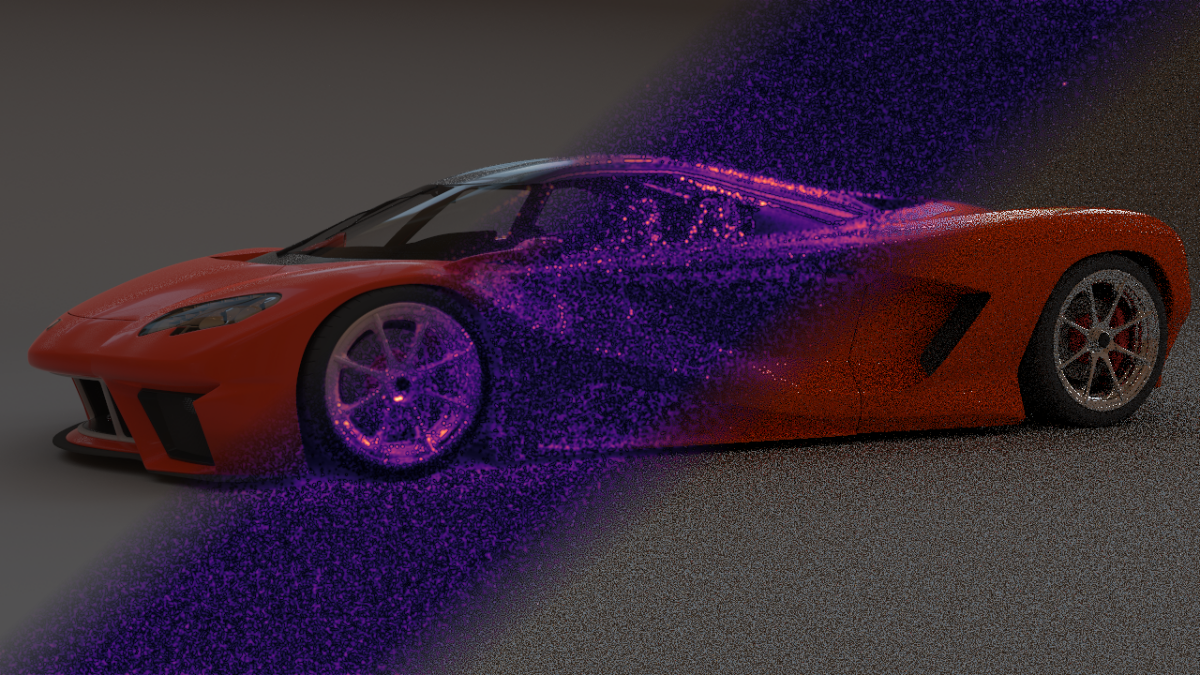
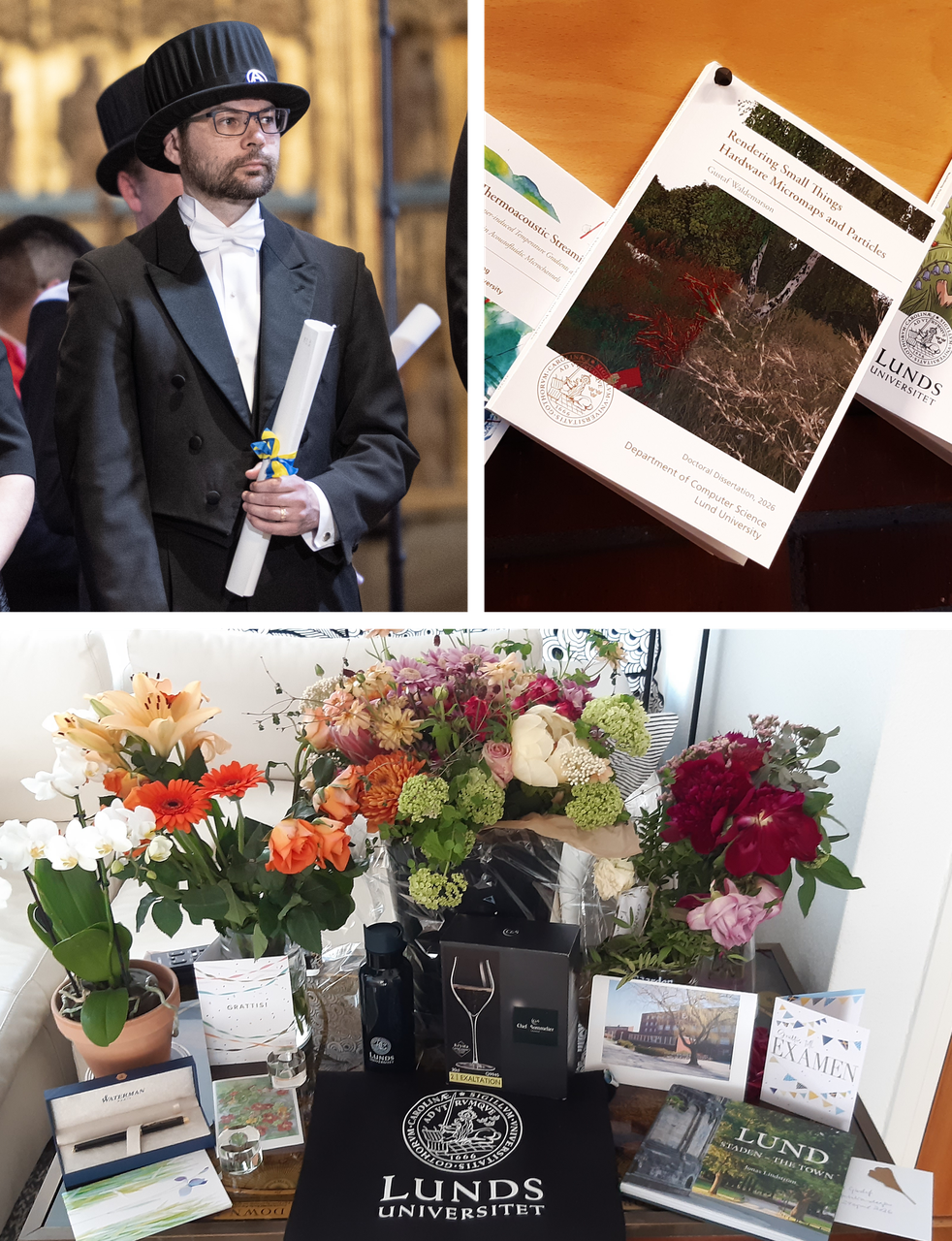
On April 24th, 2026, I successfully defended my thesis: “Rendering Small Things: Hardware Micromaps and Particles” at the technical faculty of Lund University (LTH).

For me, this is a monumental achievement, and I’m very grateful to everyone who were able to attend and watch the unfolding defense on this day! Thanks everyone for helping me reach this point!

Succinct Opacity Micromaps

Teaser

LandscapeSan Miguel

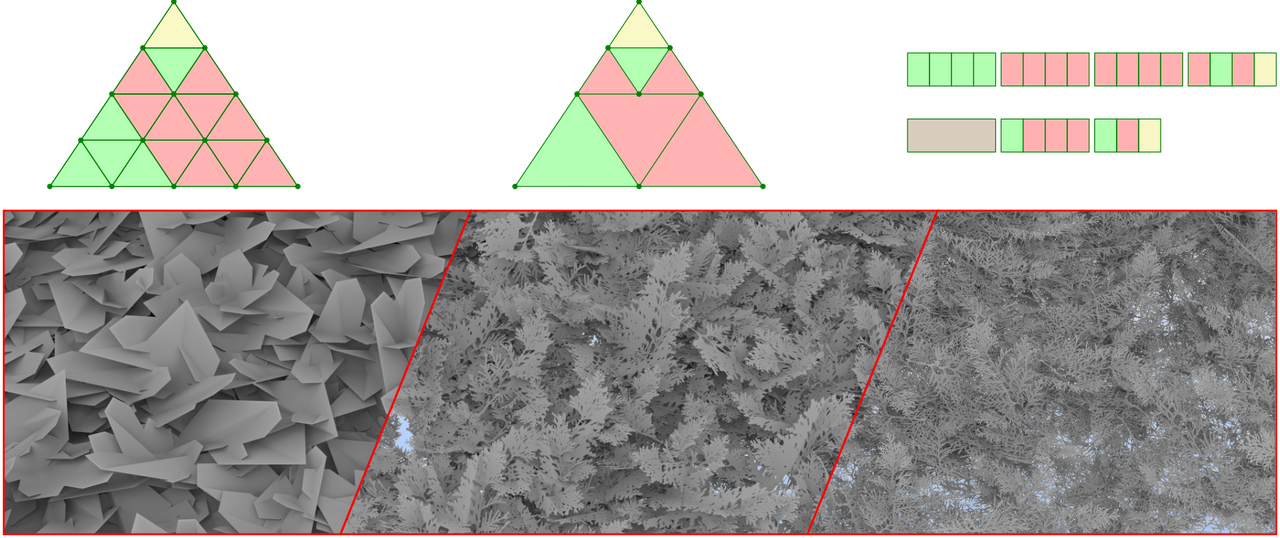
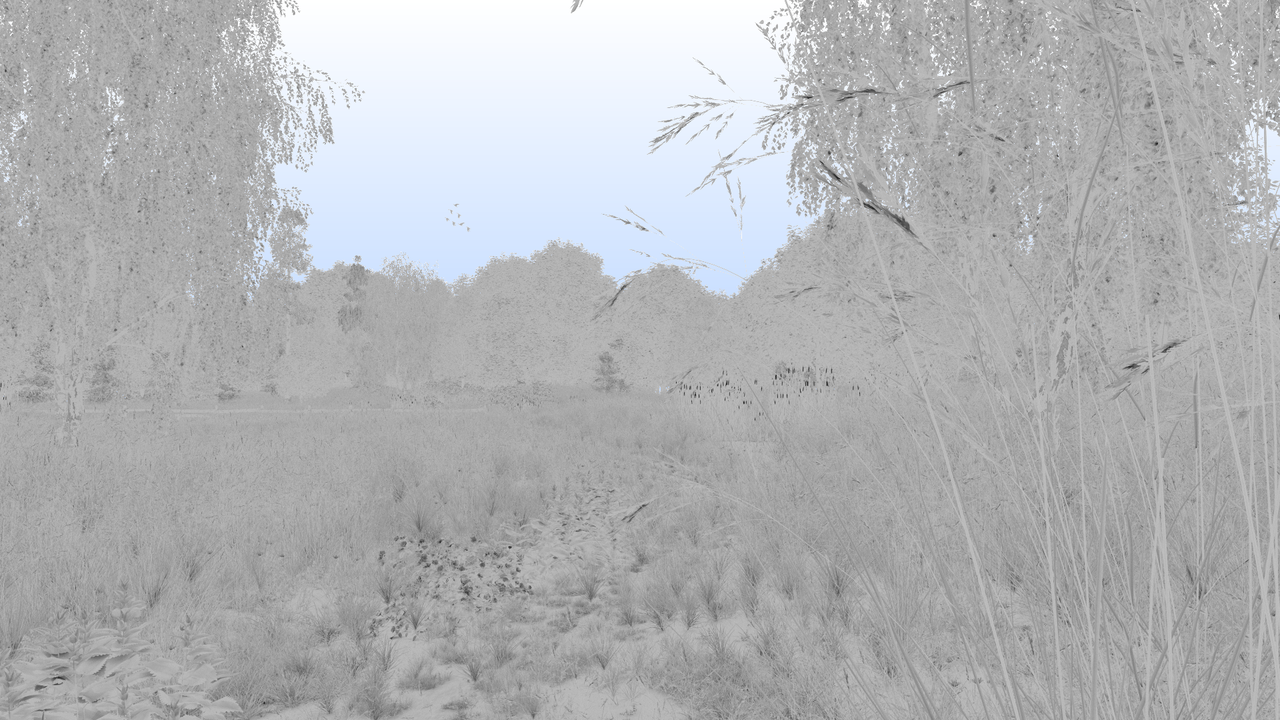
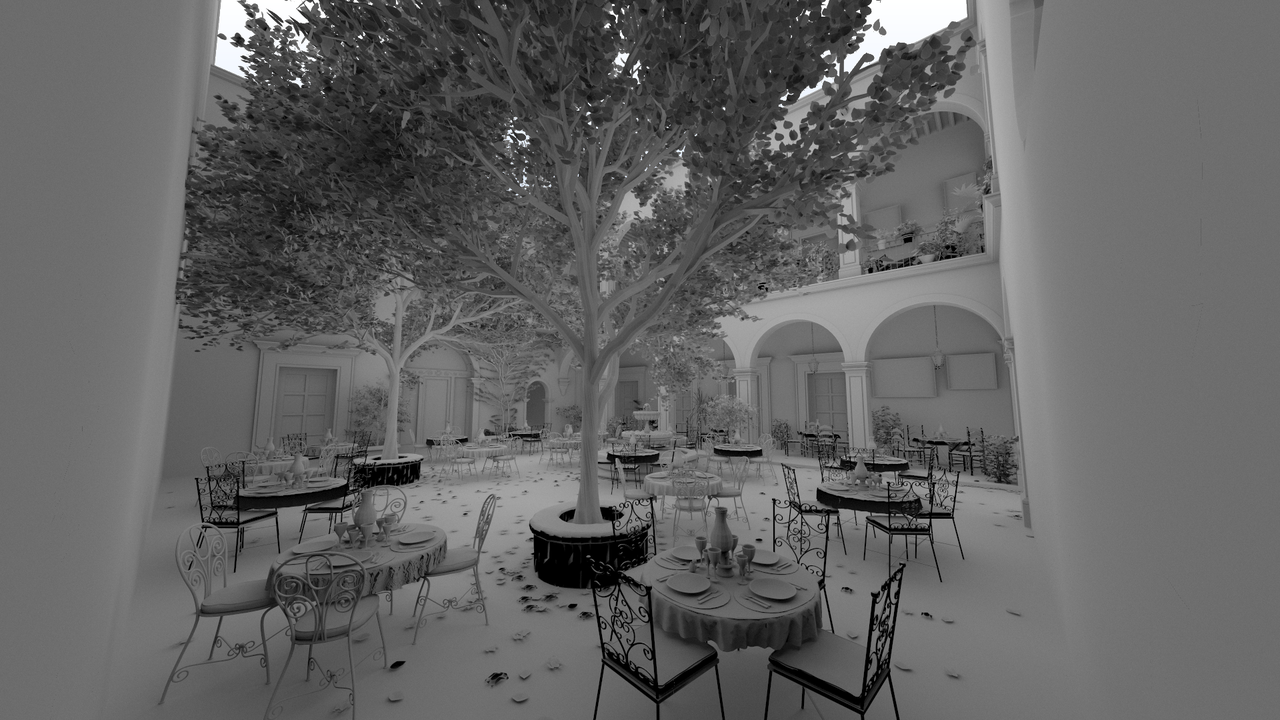
Recently, I presented a bit of my work at the High-Performance graphics conference on compressing a relatively new kind of Vulkan® and DirectX® graphics object: the Opacity Micromap. This object is intended to be used as a relatively cheap memory hint to the hardware ray-tracing pipeline to attempt to cut down on the number of times the expensive AnyHit shader has to be called.

It may still be relatively big however; so in this work we introduce a way to interpret the micromap as a tree structure that in turn can be compressed in a very efficient way: Up to 110 times in some actual content.

You can find the presentation, the slides, and the paper itself among my publications.

BCON23: Custom Data in glTF Files

BCON23

A while back now, I attended the Blender Conference in Amsterdam where I presented a bit of the work I had done related to Blender, glTF and Opacity Micromaps. Despite the 50-min presentation though, I still had a lot of content over that I had to cut out in the interest of time (and presentation coherency). I had hoped to include much of that in this write-up shortly after the conference, but I ended up swamped with work from both Arm and several looming paper deadlines, so I had to postpone it. But here it is now, so better late than never I guess!

Links to the presentation, as well as the slides I used can be found on my publications and presentations page.

Photon Mapping Superluminal Particles

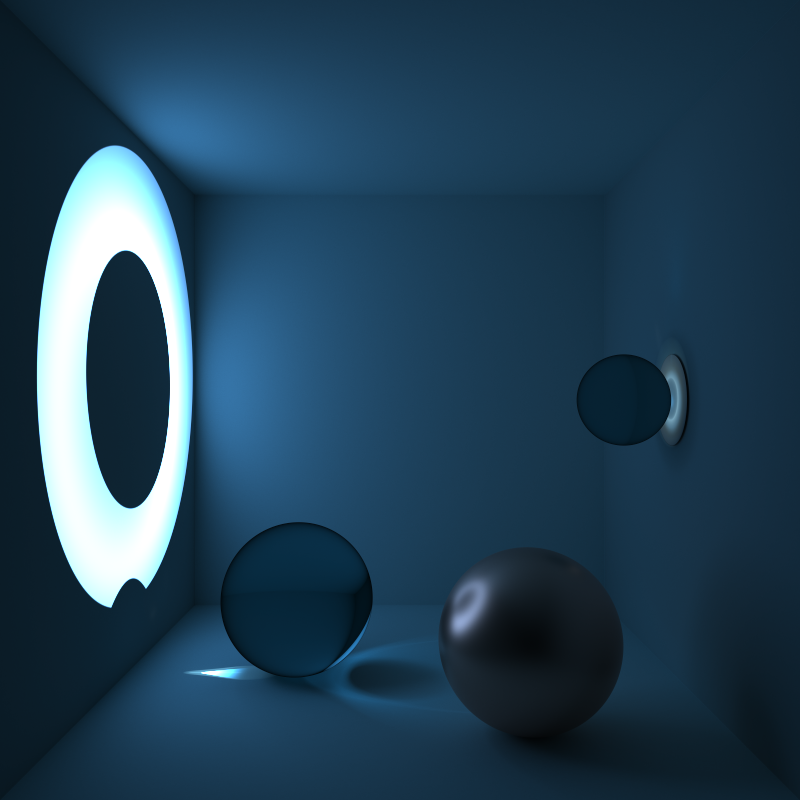
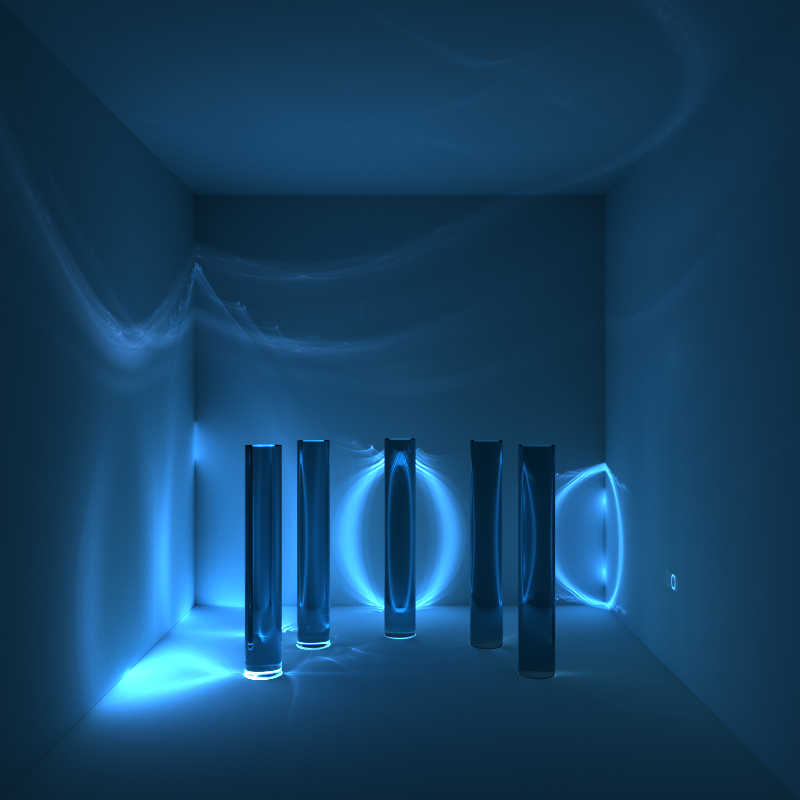
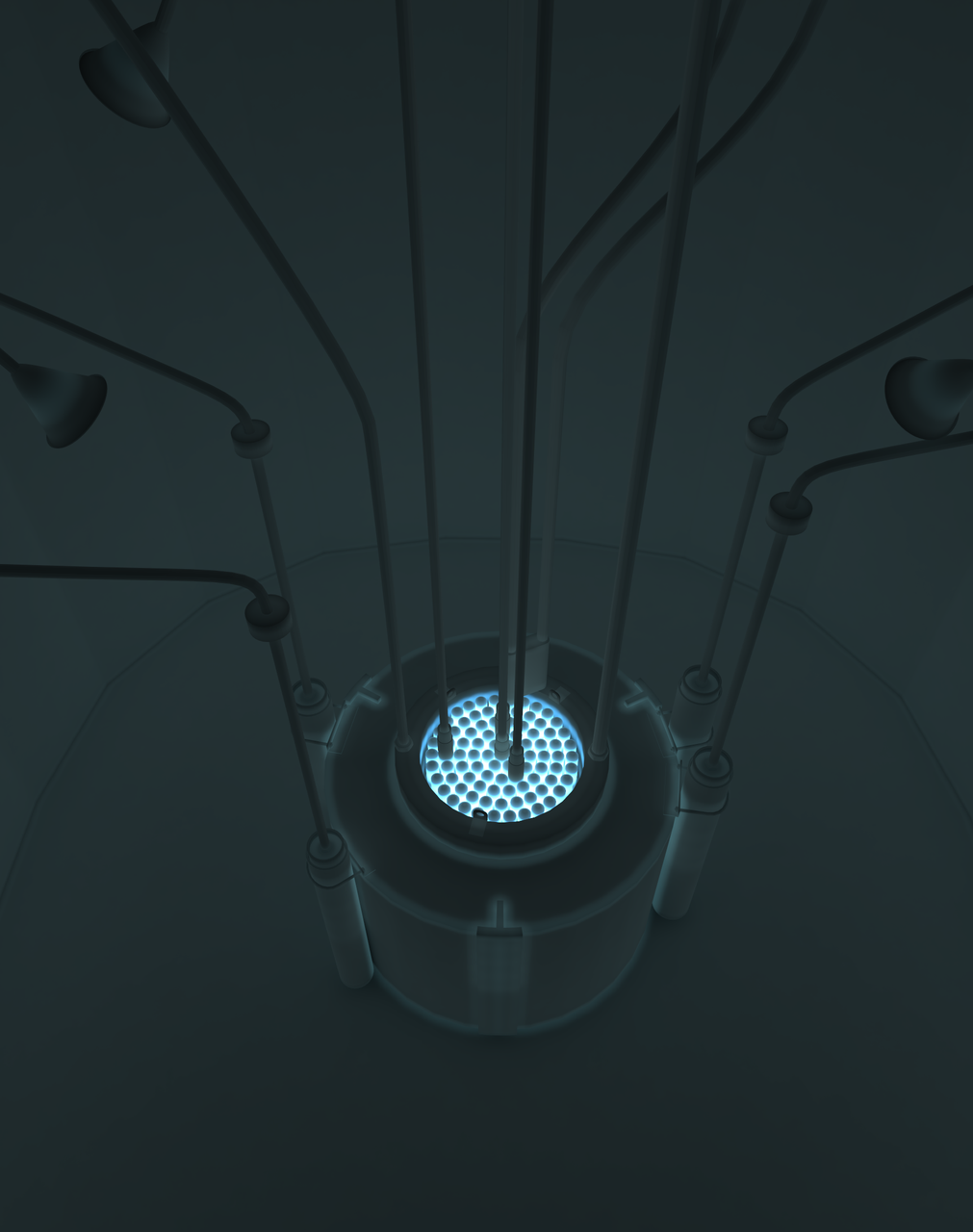
After quite a bit of work, I’m happy to announce my first successfully accepted academic paper: Photon Mapping Superluminal Particles. In this paper we investigated how to render the light generated by particles travelling faster than light relative to the surrounding media, yielding some visually pleasing images.

If you’re interested in knowing more, the full paper as well as the presentation at Eurographics 2020 are available via the link above.

Single charged particle inside a Cornell box. Many charged particles with cylinders of varying refractive index. Rendering of our Reed reactor model.

This is hopefully the first of several publications to come during my PhD studies, but for now we’ll just have to wait and see what the future holds.